

Key Takeaways
- Decarboxylation removes a carboxyl group from THCa through heat, converting it into psychoactive THC.
- Raw THCa produces no psychoactive effects until heat transforms it into bioavailable THC.
- Optimal decarboxylation occurs between 220°F and 240°F, balancing conversion without degrading THC into CBN.
- At 240°F, full decarboxylation takes a period of time to complete the chemical reaction.
What is decarboxylation and why does it matter?
How does heat activate THCa?
Why is decarboxylation essential for edible makers?
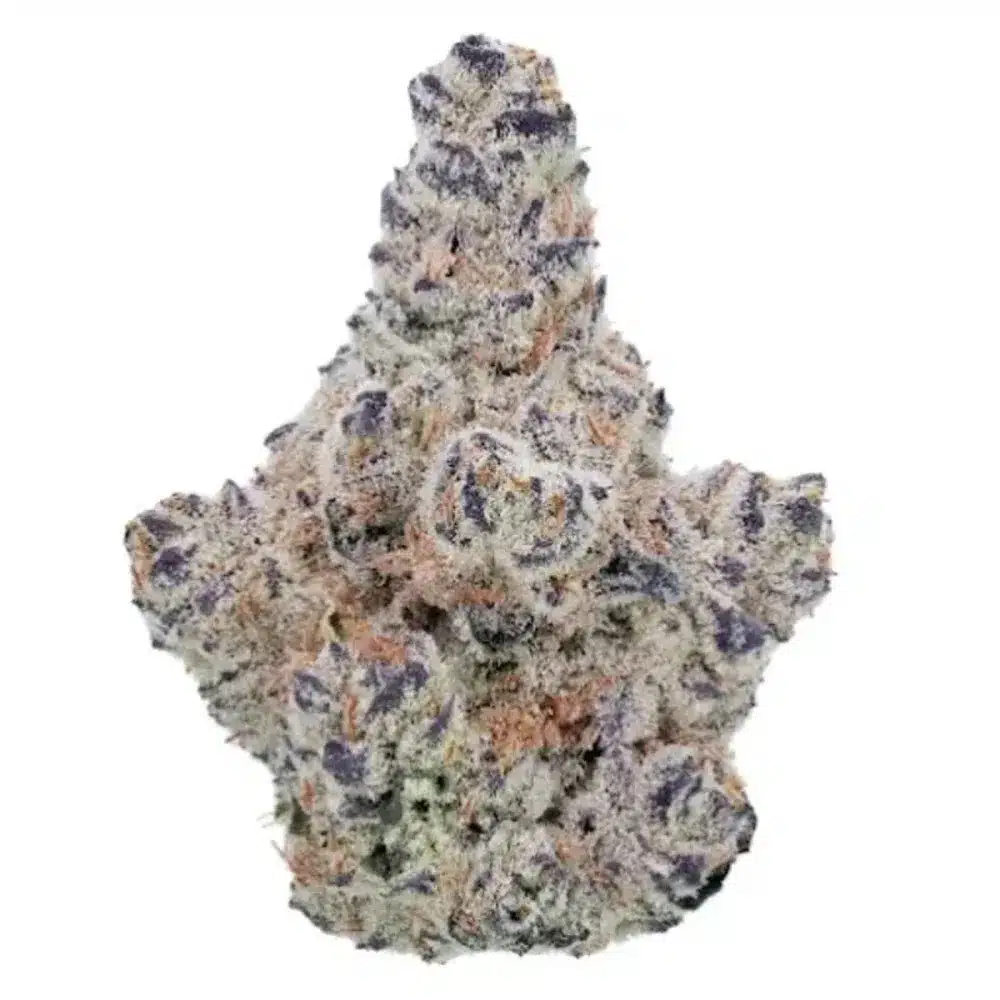
How does heat activate THCa into THC?
What temperature is needed to activate THCa?
Does decarboxylation happen instantly?
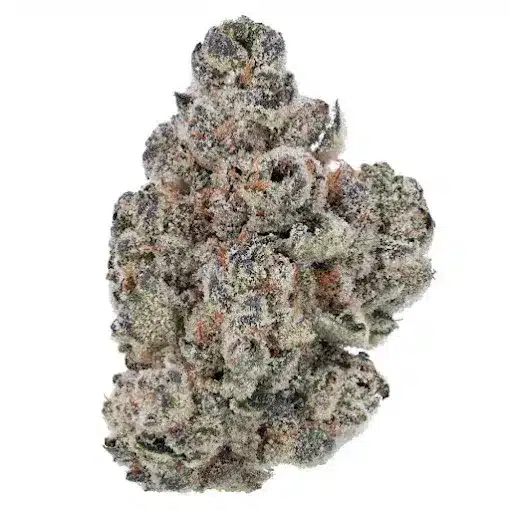
What are the optimal time and temperature for decarboxylation?
What temperature range works best for THCa heat conversion?
How long should cannabis be heated to activate THCa?
How can you preserve terpenes during THCa heat conversion?
What temperature best protects terpenes during decarboxylation?
Why does starting material quality matter for terpene retention?
- Grind flower coarsely to reduce surface area exposure.
- Preheat an oven or dedicated decarboxylator to 225°F with a calibrated thermometer.
- Spread material evenly on parchment paper inside a sealed, oven-safe container.
- Heat for 45 to 60 minutes, checking color at the 40-minute mark.
- Allow the container to cool completely before opening to trap residual vapors.
